
Most people think a renovation is won or lost during construction. It isn’t. It’s won or lost in the planning. The projects that finish on time, land on budget, and leave homeowners genuinely happy almost always started with a clear plan, and the ones that turn into nightmares almost always started with a fuzzy one.
The good news is that planning well isn’t complicated. It just takes doing things in the right order. Here’s a step-by-step checklist to help you plan a smooth, stress-free remodel, whether you’re updating a single room or reimagining your whole home.
Step 1: Define Your Goals and Priorities
Before you look at a single tile or countertop, get clear on why you’re renovating. Are you fixing something that no longer works, creating more space, modernizing a dated home, or getting ready to sell? Your goals shape every decision that follows.
Then separate your must-haves from your nice-to-haves. A bigger kitchen island might be essential; the wine fridge might be optional. It also helps to think about how long you plan to stay in the home, since that affects how much to invest and which upgrades make the most sense. Write it all down. This short list becomes your compass for the entire project.
Step 2: Set a Realistic Budget, Plus a Contingency
Next, decide what you’re comfortable spending, and be honest with yourself about it. A good budget accounts for more than just materials and labor. It should also include design, permits, and a contingency cushion of roughly 10 to 15 percent for the surprises that come with any renovation, especially in an older home.
That cushion isn’t pessimism; it’s smart planning. When walls open up, sometimes there’s outdated wiring or a plumbing issue to address. Homeowners who budget for the unexpected sail through those moments. Those who don’t get blindsided. If you’re weighing how to fund the project, it’s worth exploring your financing options early so the numbers are settled before work begins.
Step 3: Decide on Your Scope
Now translate your goals into an actual project. Are you tackling one room, several, or the whole house at once? Each path has trade-offs in cost, timeline, and disruption.
A focused kitchen or bathroom remodel delivers a big impact for a contained budget. A home addition makes sense when you need square footage you don’t have. And a whole-home renovation is the right move when the whole house needs to come together as one cohesive vision. If you’re not sure where to draw the line, a good contractor can help you prioritize what delivers the most value for your budget.
Step 4: Gather Inspiration and Make Selections Early
This is the fun part, and also a sneaky-important one. Start collecting ideas: photos, layouts, finishes, colors. A shared folder or a simple pinboard helps you and your contractor get on the same page fast.
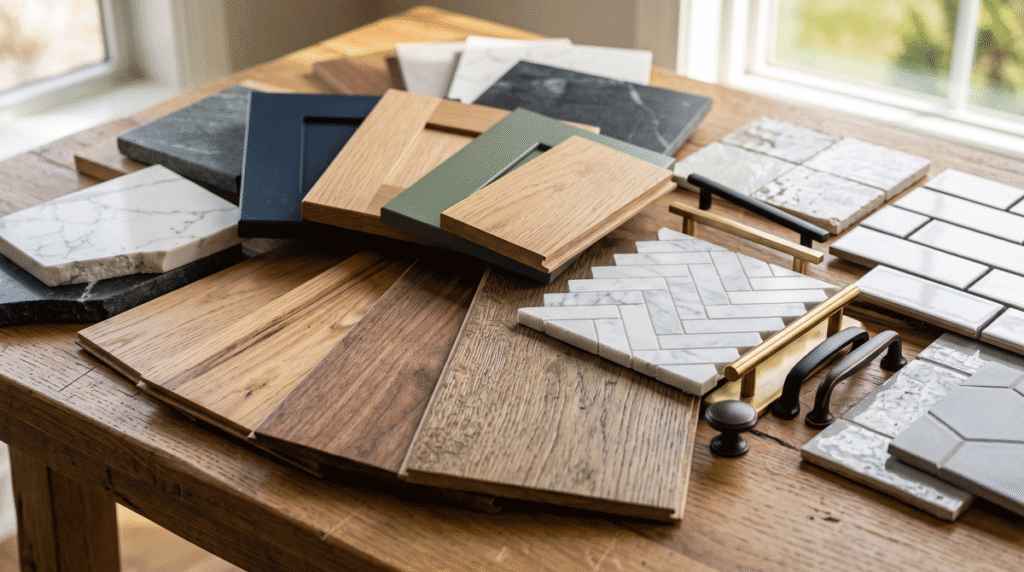
Just as important, make your material and fixture selections as early as you reasonably can. Cabinets, tile, countertops, and certain fixtures can have lead times of several weeks, and waffling on choices mid-project is the number-one cause of delays. Locking things in early keeps your timeline tight and your build moving.
Step 5: Hire the Right Contractor
Your contractor makes or breaks the whole experience, so vet carefully. Confirm they’re licensed and insured, ask to see recent work and references you can actually call, and make sure they’ll provide a detailed, itemized estimate before any work begins. Ask who will manage your project day to day and how they’ll keep you informed.
The right builder welcomes these questions. A dedicated project manager who coordinates permits, materials, scheduling, and quality checks is what keeps a project on track and keeps you from becoming the middleman between crews. If a contractor is vague about pricing, dodges references, or pressures you to skip the paperwork, keep looking.
Step 6: Handle Design, Permits, and Approvals
With a contractor on board, you’ll finalize plans and, for most meaningful projects, secure permits. Structural changes, additions, and any work touching plumbing, electrical, or mechanical systems typically require permits and inspections in the Rockwall area.
A reputable contractor handles all of this for you, pulling permits, scheduling inspections, and making sure the work meets code. If you’re part of an HOA, check for any approval requirements too. Getting the paperwork right up front protects your investment and prevents expensive headaches down the road.
Step 7: Plan for Life During the Remodel
Renovations are disruptive, but a little preparation makes a big difference. Think through where you’ll cook if the kitchen is out of commission, how you’ll manage with one less bathroom, and where pets and kids will be during the noisy phases.
In most cases, you can stay in your home during the work. A good contractor plans the job in phases to minimize disruption and keeps your living areas as clean and accessible as possible. Talk through these logistics before day one so there are no surprises.
Step 8: The Build and Final Walkthrough
Once construction starts, your job gets easier, especially with a team that communicates well. Expect regular updates, and don’t hesitate to ask questions along the way.
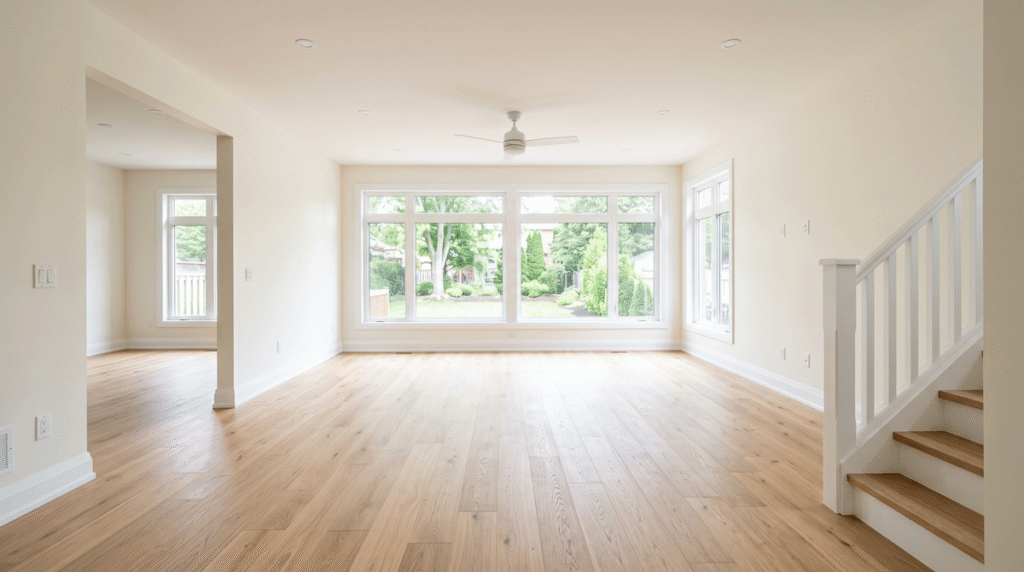
As the project wraps up, you’ll do a final walkthrough with your contractor. This is your chance to review everything against the plan and create a punch list of any small items to finish. When it’s done right, that walkthrough is the moment the vision you started with finally becomes the space you get to live in.
Your Renovation Checklist at a Glance
- Define your goals and separate must-haves from nice-to-haves
- Set a realistic budget with a 10–15% contingency
- Decide on your scope: one room, several, or the whole home
- Gather inspiration and lock in selections early
- Hire a licensed, insured contractor with a written estimate
- Finalize design, permits, and any HOA approvals
- Plan how you’ll live in the home during the work
- Stay in the loop through the build, then complete a final walkthrough
Planning Your Renovation With Stewart Concepts
We’ve spent more than 30 years refining a process that takes the stress out of construction for homeowners across Rockwall, Fate, and Royse City. It’s simple by design: we start with a consultation to understand your goals and give you a detailed estimate, then a dedicated project manager builds it right while keeping you informed at every stage, so you always know exactly what’s happening with your project and your money.
You get honest, upfront pricing with no surprise change orders, reliable timelines you can plan around, and the Good Contractors Guarantee behind every job- real financial protection, not just a promise. Whether you’re planning a single-room update or a full home renovation, we’ll help you plan it right from the very first conversation.
Ready to Start Planning?
The best remodels start with a clear plan and an honest conversation. Please tell us what you’re hoping to accomplish, and we’ll help you turn a rough idea into a detailed, realistic plan, complete with an itemized estimate and a timeline you can count on.
Call us at (972) 345-2141 or request your free estimate today: no pressure, no obligation, just a smart first step toward the home you’ve been picturing.
Frequently Asked Questions
How do I start planning a home renovation?
Start by defining your goals and separating must-haves from nice-to-haves, then set a realistic budget with a contingency cushion. From there, decide your scope and hire a licensed, insured contractor who provides a written, itemized estimate. Clear goals and a solid budget make every later decision easier.
What should my renovation budget include?
A complete budget covers materials, labor, design, and permits, plus a contingency of about 10 to 15 percent for unexpected issues, which are especially common in older homes. Building in that cushion keeps surprises from derailing your project.
In what order should I renovate my house?
Generally, structural and system work, foundation, roofing, plumbing, and electrical come before cosmetic finishes like paint and flooring. If you’re renovating room by room, many homeowners start with the spaces that bother them most or add the most value, such as kitchens and bathrooms.
How far in advance should I plan a renovation?
Give yourself several weeks to a few months for planning, depending on the size of the project. Time spent choosing a contractor, finalizing design, ordering materials, and securing permits up front pays off with a faster, smoother build once construction begins.